About
Why put AI and sustainable agriculture in the same project?
Because many unnecessary inputs begin with an uncertain diagnosis, and many good practices go unused because the right information is not there at the right moment. AgroExpert explores whether careful, evidence-grounded AI can help close that gap - without overstating what it knows.
01Mission
Help farmers understand their crops, and respond in proportion.
AgroExpert is a multimodal AI platform being developed to support crop-health analysis, agricultural knowledge retrieval and context-aware recommendations - and to study whether that support can reduce unnecessary agrochemical use through better-targeted, locally appropriate interventions.
The project is deliberately not anti-chemical, and not naively pro-organic. Fertilizers and pesticides have legitimate uses; organic inputs can be mishandled. The question is whether a farmer has the evidence to choose well, and whether a well-designed tool can make that evidence easier to reach.
Smallholder and mid-size farmers, often working on low-end phones with unreliable connectivity, are the intended users. That shapes everything: offline-friendly design, local languages, and advice that respects real economic constraints.
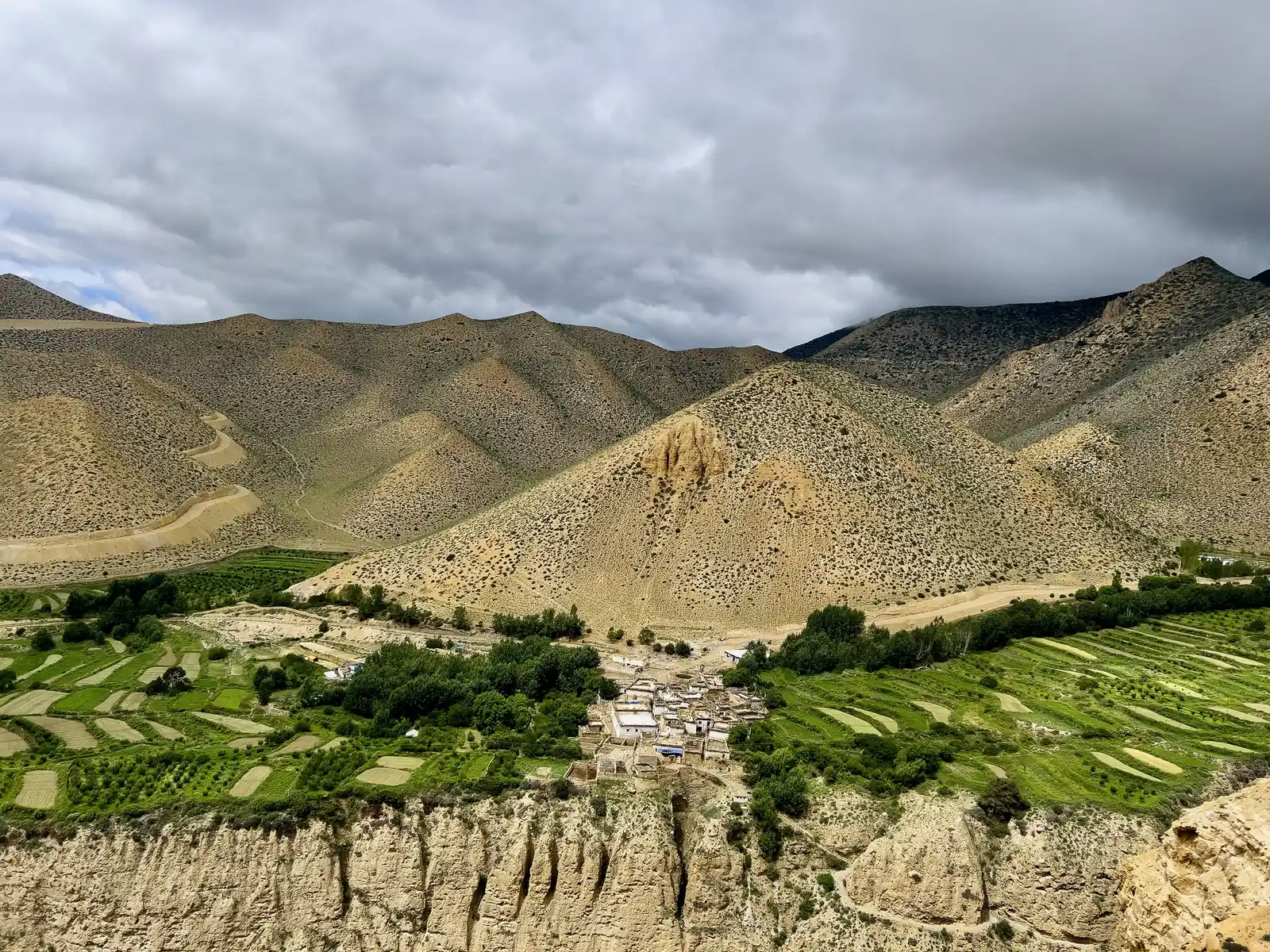
Nepal is the project’s reference landscape. Within a short distance its farmland runs from the Terai plains through terraced hills to Himalayan valleys, a range where advice that ignores context is easy to get wrong. The AI service already writes its disclaimers in Nepali as well as English and Hindi; Nepali in the mobile app is still to come.
02Engineering philosophy
Six commitments.
- 01
Evidence over eloquence
A fluent answer is not a correct one. Claims should be grounded in retrievable sources and checked before they reach a farmer.
- 02
Uncertainty is information
A low-confidence answer, clearly labelled, is more useful than a confident guess. “Test before you treat” is a legitimate output.
- 03
Safety by construction
No invented doses, no product endorsements, screening on the way in and the way out - and every known gap written down.
- 04
Affordable and local
The best option is one the farmer can actually obtain, afford and apply. Local resources and practices come first in the conversation.
- 05
Honest status
Nothing is called done because a folder exists. Development models are flagged when they stand in for production ones.
- 06
Small, testable parts
Each reasoning step is a separate, testable unit, so failures can be found and fixed rather than prompted around.
03Responsible research
What this project commits to.
- - No claims of environmental, health or yield impact without a defined method and real data.
- - Agricultural expert review before any farmer-facing use.
- - Clear labelling of illustrative content, development models and unvalidated components.
- - Respect for farmers’ knowledge, autonomy and data.
- - Sources cited so that anyone can check them.
04Current status
A working codebase, not yet a validated tool.
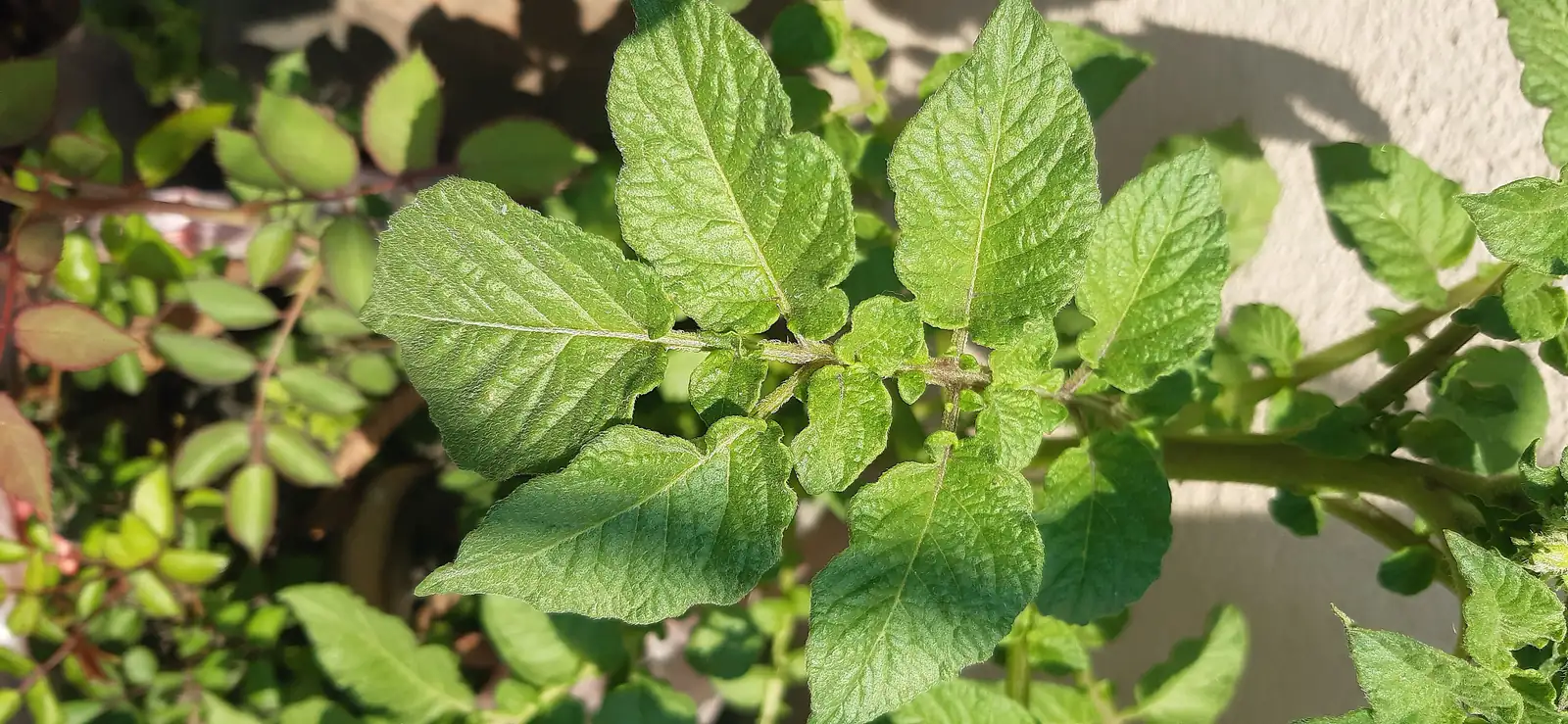
The mobile app and backend are built and tested; the AI service implements vision, OCR, retrieval, agent workflows, safety and evaluation. The full loop with production models, expert review and field validation are still ahead.
Who builds it
Ankit Kumar Sharma
AgroExpert is designed and built as an independent project. It has no institutional affiliation, partners or funding at this stage.
github.com/Ankitsharma991 (opens in a new tab)