Sustainable agriculture
The right intervention, not the most intervention.
AgroExpert is being designed to support established sustainable-agriculture principles - integrated pest management, integrated soil fertility management and responsible input use. The goal is better-targeted decisions, not the unconditional elimination of chemical inputs.
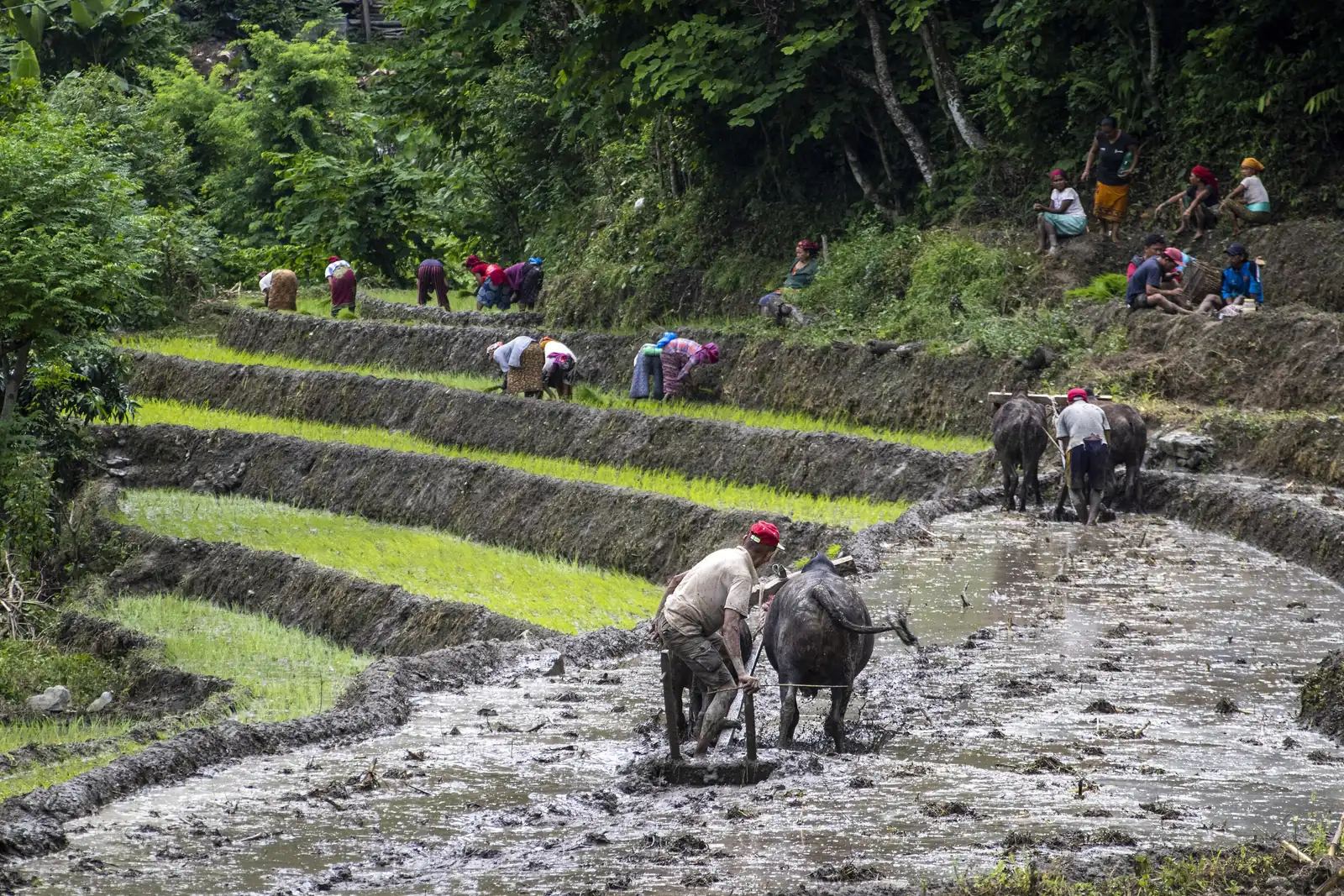
01Ten principles
What each principle asks of a decision-support system.
The problem
Pests and diseases are often treated by calendar spraying or on a retailer’s suggestion, regardless of actual pressure.
Why it matters
Unneeded sprays cost money, expose people, harm beneficial organisms and accelerate resistance.
Potential interventions
- Regular scouting
- Action thresholds
- Combining cultural, biological, physical and chemical tools
Needed before any recommendation
- → Correct identification of the pest or disease
- → Severity and spread
- → Crop stage
- → Local thresholds and guidance
What AI could contribute
Help identify likely causes from photos and context, and present the full range of options rather than only a product.
What people must still validate
Confirm identification in the field, judge whether a threshold has been reached, follow local extension guidance.
SourcesFAO (web) (opens in a new tab)Barzman et al. (2015) (opens in a new tab)
The problem
Fertilizer is frequently applied without a soil test, at blanket rates, or out of balance between nutrients.
Why it matters
Imbalanced nutrition limits yield as surely as deficiency; excess is lost to water and air.
Potential interventions
- Soil testing
- Combining organic and mineral sources
- Balanced, split applications
Needed before any recommendation
- → Soil test results
- → Crop and target yield
- → Previous inputs and residues
- → Local recommendations
What AI could contribute
Read soil-test reports and fertilizer labels, and explain how they relate to the crop’s needs.
What people must still validate
Rates and timings must come from validated local recommendations or an agronomist - never from a model.
SourcesFAO (2011) (opens in a new tab)Zhang et al. (2015) (opens in a new tab)
The problem
Soils lose organic carbon through intensive tillage, residue burning and erosion.
Why it matters
Organic matter underpins water-holding capacity, structure, nutrient cycling and biological activity.
Potential interventions
- Residue retention
- Cover crops
- Reduced tillage where suitable
- Compost and manure
Needed before any recommendation
- → Soil type and organic carbon
- → Rotation
- → Residue management practices
What AI could contribute
Track practices over seasons on each plot and surface patterns worth discussing with an expert.
What people must still validate
Choose practices that fit the farm’s labour, machinery and economics.
SourcesFAO and Intergovernmental Technical Panel on Soils (2015) (opens in a new tab)Lal (2004) (opens in a new tab)
The problem
Valuable organic resources such as residues, manure and compostable waste are often burned, wasted or poorly handled.
Why it matters
Well-managed amendments return nutrients and organic matter - but poorly composted material can carry pathogens, weed seeds or contaminants.
Potential interventions
- Composting and vermicomposting
- Farmyard manure
- Crop residues
- Green manures
Needed before any recommendation
- → What is locally available
- → Maturity and quality of the material
- → Crop and soil needs
- → Handling safety
What AI could contribute
Help farmers discover and compare locally available options, with sourced guidance on preparation.
What people must still validate
Verify quality and maturity; follow local guidance on safe handling and application.
SourcesFAO (2011) (opens in a new tab)FAO and UNEP (2021) (opens in a new tab)
The problem
Natural enemies of pests are often killed by broad-spectrum sprays, making later outbreaks worse.
Why it matters
Conserving and introducing natural enemies can keep pests below damaging levels.
Potential interventions
- Conservation of natural enemies
- Habitat for beneficials
- Registered biological products
Needed before any recommendation
- → The pest and its natural enemies
- → Product registration and availability
- → Compatibility with other treatments
What AI could contribute
Explain biological options that sourced guidance supports for the identified problem.
What people must still validate
Check local registration, availability and compatibility before use.
SourcesFAO (web) (opens in a new tab)Barzman et al. (2015) (opens in a new tab)
The problem
Not all applied nitrogen reaches the crop, and nitrogen-use efficiency varies widely between countries and farming systems.
Why it matters
Lost nitrogen is wasted money and contributes to water pollution and nitrous oxide emissions.
Potential interventions
- Right source, rate, time and place
- Split applications
- Legumes in rotation
Needed before any recommendation
- → Crop demand by stage
- → Soil supply
- → Weather and irrigation
What AI could contribute
Connect a nutrient question to crop stage and history, and flag when a soil test would change the answer.
What people must still validate
Decide rates using validated local recommendations.
SourcesZhang et al. (2015) (opens in a new tab)Intergovernmental Panel on Climate Change (2022) (opens in a new tab)
The problem
Over- and under-irrigation both stress crops; waterlogging and drought can mimic disease.
Why it matters
Irrigation timing affects disease pressure, nutrient leaching and water availability for others.
Potential interventions
- Drip or furrow efficiency
- Mulching
- Scheduling by crop stage and weather
Needed before any recommendation
- → Soil type
- → Crop stage
- → Recent rainfall and forecast
- → Irrigation method
What AI could contribute
Bring recent weather and irrigation history into a diagnosis, so water stress is considered alongside disease.
What people must still validate
Schedule irrigation with knowledge of the water source and local conditions.
The problem
Problems are often addressed after damage is visible, when options are fewer and costlier.
Why it matters
Rotation, resistant varieties, sanitation and spacing reduce disease and pest pressure before it starts.
Potential interventions
- Crop rotation
- Resistant cultivars
- Field sanitation
- Spacing and pruning for airflow
Needed before any recommendation
- → Plot history
- → Local disease pressure
- → Available cultivars
What AI could contribute
Use plot history to point out recurring problems and preventive steps for the next season.
What people must still validate
Plan rotations and variety choices within market and land constraints.
SourcesBarzman et al. (2015) (opens in a new tab)FAO (2011) (opens in a new tab)
The problem
Labels can be hard to read, protective equipment is often unavailable, and product advice may come from a seller.
Why it matters
Following label directions, protective measures and pre-harvest intervals protects people, consumers and the environment.
Potential interventions
- Reading and following the label
- Protective equipment
- Pre-harvest intervals
- Rotating modes of action
Needed before any recommendation
- → The exact product and its label
- → Local registration status
- → Crop and stage
What AI could contribute
Read the label with OCR and explain its instructions in the farmer’s language - clearly separated from any recommendation.
What people must still validate
The label and local regulations are authoritative. AgroExpert does not recommend specific products or doses.
SourcesFAO and WHO (2014) (opens in a new tab)World Health Organization (2020) (opens in a new tab)World Health Organization (2022) (opens in a new tab)
The problem
Shifting weather patterns change pest and disease pressure, water availability and the timing of operations.
Why it matters
Better-timed, better-targeted decisions can support both productivity and lower emissions intensity.
Potential interventions
- Weather-aware scheduling
- Efficient nitrogen management
- Soil carbon practices
Needed before any recommendation
- → Reliable local weather
- → Crop and soil data
- → Valid estimation methods
What AI could contribute
Bring weather context into decisions where reliable data exists.
What people must still validate
Interpret within local climate knowledge. Any emissions claim requires proper measurement.
SourcesIntergovernmental Panel on Climate Change (2019) (opens in a new tab)Intergovernmental Panel on Climate Change (2022) (opens in a new tab)
02Intervention framework
From prevention to justified chemical treatment.
Tier 01
Prevention
Reduce the chance that a problem develops at all.
Examples
- Resistant or tolerant varieties
- Clean seed and planting material
- Crop rotation
- Balanced nutrition
- Typically considered
- Before and throughout the season - the foundation for everything else.
- Caution
- Preventive measures rarely solve an outbreak that is already severe.
Not a rigid sequence
Some situations call for prompt chemical treatment; others are best left alone. The appropriate response depends on the diagnosis, severity, crop, stage, location and established local guidance.03Below the surface
Most of what matters happens in the soil.
Concept illustration for education. AgroExpert does not measure soil water, nutrients or biology.
Water movement
Rain and irrigation infiltrate from the surface. Roots draw water from the soil around them; soil structure and organic matter affect how much water the soil can hold and how quickly it drains.
Both waterlogging and drought stress can produce symptoms that look like disease.
04Concept · local resource discovery
What is already available nearby?
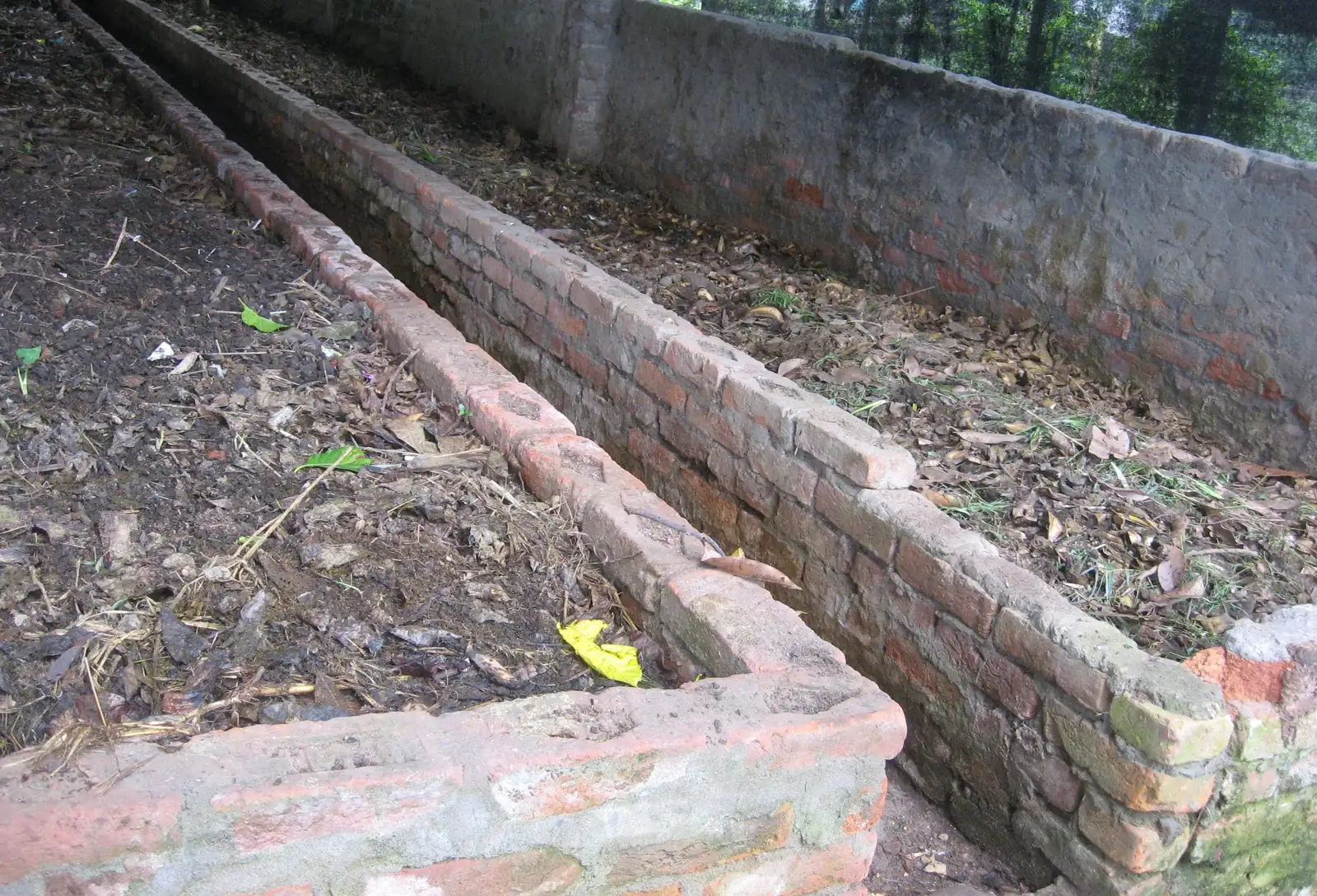
Planned - illustrative content, no location data is used
5 resources shown
Compost
From Crop residues, kitchen and farm waste. Contributes organic matter, slow-release nutrients, improved structure.
⚠ Must be fully mature; immature compost can tie up nitrogen or harbour pathogens.
Vermicompost
From Organic waste processed by earthworms. Contributes fine, stable organic matter and nutrients.
⚠ Needs moisture and shade management; quality varies with feedstock.
Farmyard manure
From Livestock dung and bedding. Contributes organic matter and a range of nutrients.
⚠ Should be well decomposed; fresh manure can carry pathogens and weed seeds.
Crop residues
From Straw, stalks and leaves from the previous crop. Contributes soil cover, organic matter, an alternative to burning.
⚠ Residues from a diseased crop may carry inoculum into the next season.
Green manure
From Legumes or other cover crops grown and incorporated. Contributes biological nitrogen (legumes), organic matter, weed suppression.
⚠ Occupies land and water for part of the season; needs timing.
Organic inputs need appropriate selection, handling and application too. Nutrient content varies widely, and poorly prepared material can carry pathogens, weed seeds or contaminants. No application rates are given here.
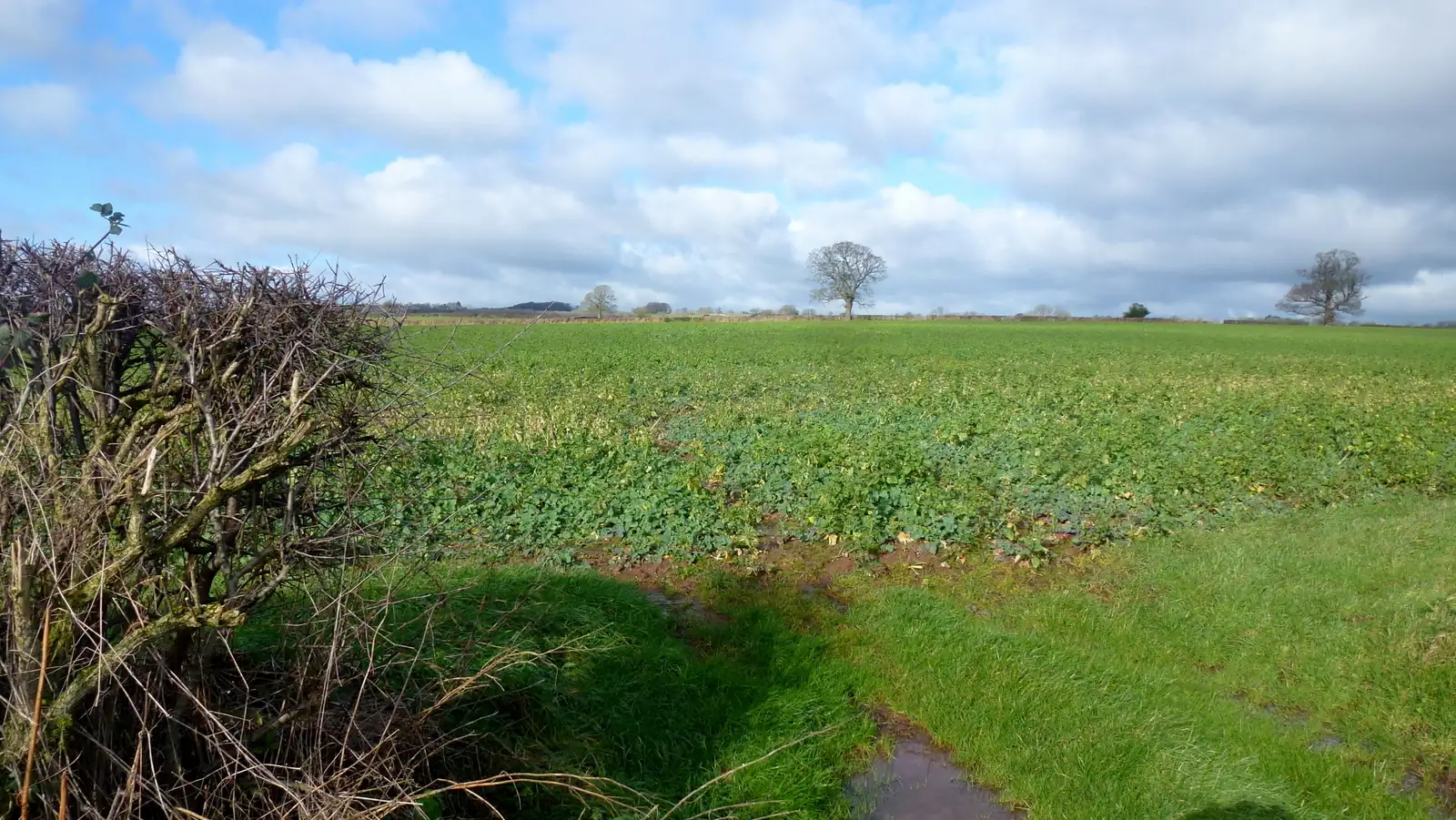
05Climate-smart, carefully
Decision support is not an emissions claim.
Better-targeted nitrogen use and soil-carbon practices are recognised mitigation options in the IPCC’s assessment. Whether AgroExpert contributes to them is an open question.
Any future environmental claim would need a defined method, adequate data and independent review. Until then, the project makes none.
SourcesIntergovernmental Panel on Climate Change (2022) (opens in a new tab)Zhang et al. (2015) (opens in a new tab)Lal (2004) (opens in a new tab)